Emergency Plumbing Help for Quogue Homeowners
Request an estimate from a local provider
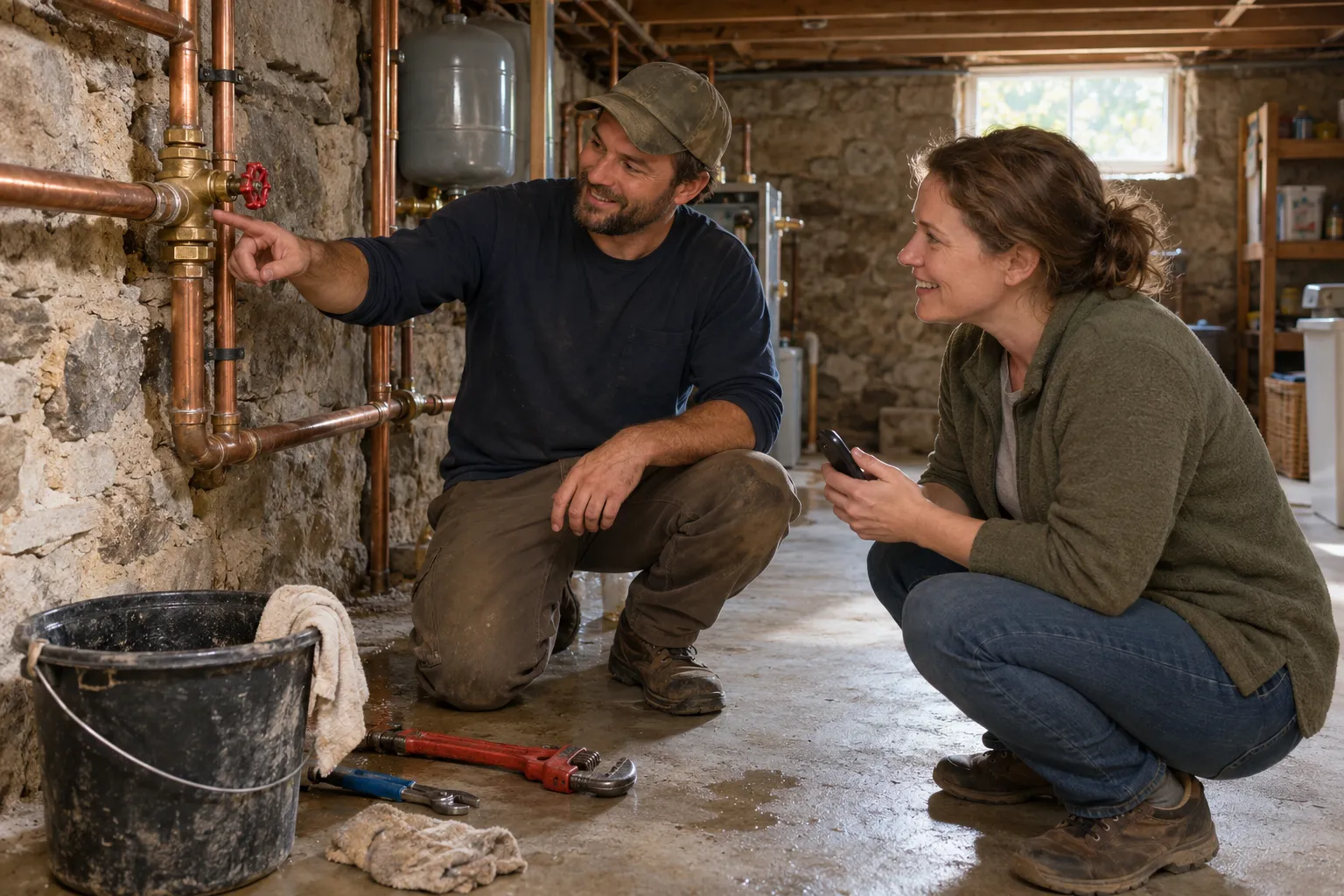
A plumbing emergency feels huge, but you can handle the first few minutes. Shut off the water, keep clear of anything electrical, and take a few photos. Then you are ready to talk to someone who can fix it.
Horsessecure Plumbing is a referral service. We do not do the plumbing ourselves. We connect homeowners in Quogue and the Quogue area with independent local providers who handle burst pipes, stubborn leaks, failed water heaters and more. This page explains what counts as an emergency, what drives the price, and how to ask for a written estimate. Many providers can respond quickly, but availability varies, so check with the provider you contact.
Is Water Spreading Through Your Home Right Now?
Take a breath. You can do a few simple things before anyone arrives, and they make a real difference.
First, find your main shutoff valve and turn it clockwise. It is often near the water meter, in a basement, or where the main line enters the house. If water is near outlets or appliances, stay away and shut off power at the breaker only if the panel is dry and safe to reach.
Once the water is slowed, you can ask for help with a clearer head.
What Counts as a Real Plumbing Emergency?
Not every drip needs a rush call. So how do you tell?
Treat it as an emergency when:
- A pipe has burst or is spraying water
- Water is flowing and you cannot stop it
- Sewage is backing up into tubs, floor drains or toilets
- There is no water at all and you suspect a frozen or broken line
- A water heater is leaking heavily or smells like gas
A slow drip under a sink can usually wait for a normal visit. When in doubt, shut the water off and ask a provider what they think.
What Should You Do in the First Few Minutes?
Here is a simple order that works for most homes.
Stop the water
Close the main valve. Then open a low faucet to drain what is left in the pipes.
Snap photos first
Before you mop or move anything, take wide shots and close-ups of the damage, the source, and any wet belongings. Add a short video if you can. These help providers give a better estimate and help if you talk to your insurer later.
Protect what you can
Lift rugs, move furniture, and put towels or buckets in place. Do not use a regular vacuum on standing water.
Why Does Acting Quickly Matter?
Because water keeps spreading. It soaks into drywall, flooring and insulation, and damp materials can grow mold. Older homes with full basements and stone or block foundations can also see water travel through walls and settle low, out of sight.
Acting quickly usually means a smaller repair and less cleanup. That is the whole point of getting organized fast.
What Does an Emergency Plumber Actually Do?
A provider's first job is to stop the damage. After that, they find the cause and explain your options.
Typical steps include:
- Locating and isolating the leak or break
- Repairing or replacing the damaged section
- Testing pressure and checking nearby pipes
- Clearing a blocked pipe when that is the cause, which some providers offer as emergency drain clearing
Sometimes a quick patch holds things until a full repair can be scheduled. A good provider will tell you which one you are getting.
What About Burst and Frozen Pipes?
Cold snowy winters and freeze-thaw cycles are hard on plumbing. Water expands as it freezes, and pipes in exterior walls, crawl spaces and unheated basements are the usual victims.
If a pipe is frozen but not yet split, keep a faucet slightly open and warm the area gently with a hair dryer. Never use an open flame. If you see a crack or a bulge, shut off the water and ask for help. Pipes can also give way during spring snowmelt or coastal storms, when the ground is saturated.
Is a Water Heater Failure an Emergency?
Sometimes. A slow weep at the base is worth a prompt visit. A tank gushing water, or any gas smell, is urgent. Shut off the cold water supply to the tank, turn off the power or gas to the unit if it is safe, and leave the house if you smell gas.
Many providers can repair a part or tell you if the tank has reached the end of its life.
What Drives the Price?
Price questions are fair, so let's go through them. The main factors are:
- Access: Pipes behind finished walls or under slabs take longer to reach.
- Pipe material: Copper, PEX, galvanized and older lines cost different amounts.
- Timing: After-hours and holiday visits often carry a higher fee.
- Damage: Opening walls adds work, and some jobs need permits.
The table on this page shows typical U.S. ranges. Your job may land above or below them.
How Do You Choose a Provider?
Ask, then compare when you can. Even in a rush, a few questions help:
- Are you licensed and insured in my state?
- Is there a call-out fee, and is it applied to the repair?
- Can you explain the problem in plain words?
- Will you give me the scope and price in writing before work begins?
Get it in writing. A clear written quote protects both sides and keeps surprises small.
What Paperwork Should You Keep?
A little organizing now saves headaches later. Save your photos, a short note with the date and what you noticed, and any receipts for cleanup or temporary fixes. Ask the provider for an itemized invoice and a note describing the cause and repair.
Some policies may cover sudden damage, so check your policy. Providers can often help document damage for a claim, but your insurer makes the decision.
What Happens After the Repair?
Do a quick check. Run the faucets, flush the toilets, and look at the repaired spot over the next few days. Dry out wet areas with fans and open windows, and watch for musty smells or stains.
Then think prevention: know where your main shutoff is, insulate exposed pipes before winter, and consider a leak sensor near the water heater or washing machine.
What's Included
Burst Pipes
Providers can locate the break, stop the flow, and repair or replace the damaged section so your water can be turned back on safely.
Leak Tracing
Hidden leaks in walls, floors and basements can be located with common tools before more damage spreads.
Water Heater Trouble
Leaking tanks, failed valves and no hot water can be checked, repaired, or replaced.
Written Estimates
Ask the provider to put scope and price in writing before work begins on larger repairs.
Typical Emergency Plumbing Costs
Prices vary by home, pipe material, access and timing. These are typical U.S. ranges, not quotes. Ask the provider for a written estimate that lists labor, parts and any after-hours fee before work starts.
| Item | Typical range | Notes |
|---|---|---|
| Emergency call-out fee | $100 – $400 | Often higher after hours; ask if it applies to the repair |
| Burst pipe repair | $150 – $1,500 | Depends on access and how much pipe is damaged |
| Frozen pipe thawing | $200 – $800 | Cost rises if the pipe has already split |
| Leak detection | $150 – $650 | Hidden or in-wall leaks take longer to trace |
| Water heater repair | $150 – $700 | Parts like valves and elements vary in price |
| Water heater replacement | $1,200 – $3,500 | Tank size, fuel type and code updates matter |
How It Works
Stop the water
Close the main shutoff valve and open a low faucet to drain the lines.
Snap photos first
Capture the source and the damage, plus a few notes about when it started.
Request an estimate
Use the form, or Request a callback to check provider availability and share what you found.
Get it in writing
Review the written quote, ask questions, and confirm scope and price before work begins.
Why Call Horsessecure Plumbing
Plain Answers
Questions are welcome. Providers can explain the problem in simple words so you understand your options before deciding.
Local Providers
Independent providers in our network work in your area and know local housing and winter conditions.
Clear Pricing
We encourage written estimates that show labor, parts and fees so you can compare with confidence.
No Pressure
Requesting an estimate carries no obligation, so you can decide on your own time.
Other Services
Need emergency plumbing in Quogue?
- Request an estimate in a few minutes
- Independent local providers in our network
- Clear cost ranges explained up front
- No obligation to accept a quote
Emergency Plumbing FAQ
What should I do first when a pipe bursts?
Shut off the main water valve, then open a low faucet to drain the lines. Stay away from wet electrical areas, move valuables, and take photos before cleanup. After that, request an estimate from a local provider so repairs can begin.
How much does emergency plumbing usually cost?
Typical U.S. costs run from about $100 to $400 for a call-out fee, and a few hundred to over $1,500 for repairs. Access, materials and timing change the total, so get a written quote.
Will insurance pay for a burst pipe?
Some policies may cover sudden damage, but coverage varies, so check your policy. Providers can often help document damage for a claim with photos, notes and an itemized invoice. Your insurer decides what is covered.
Get in touch
Have a leak, a clog or a sewer backup? Send a quick request and share a few details. A local provider in our network can follow up with an estimate.
No obligation